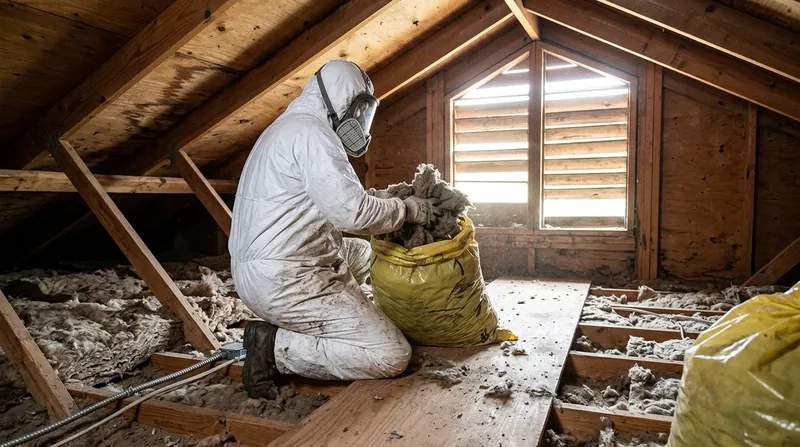




Old insulation in Longview attics and crawl spaces can hold moisture, pests, or decades of dust. Before we install new spray foam insulation, we often need to remove what's there first. The Insulation Removal in Longview work is the foundation of every retrofit. In the East Texas Piney Woods, where humidity drives moisture into vented attics and damp crawl spaces year-round, stale or contaminated insulation becomes a liability. Fiberglass batts sag, cellulose compacts, and both trap moisture that feeds mold and rot in the framing underneath. We remove it cleanly, haul it away, and prepare the cavity for new foam that actually seals the envelope. The work is dusty and demanding, but it's the right first step for homes in Longview, White Oak, Kilgore, and across Gregg and Rusk counties where the climate demands a dry, tight attic and crawl space.
Why Insulation Removal Matters in Longview's Hot, Humid Climate
Longview's long cooling season and high humidity create a moisture trap in vented attics and pier-and-beam crawl spaces. Old insulation, whether fiberglass batts, blown cellulose, or failing foam, becomes saturated and ineffective. It also harbors dust, mold spores, and pest residue that no new foam can fix if it sits on top of contamination. The East Texas Piney Woods climate means moisture is always working inward through the cooling season, and a vented attic or crawl space is an open door to that damp outside air. Removing failed insulation before installing new spray foam is not optional; it's the only way to ensure the seal holds and the envelope breathes the way it should.
- We remove old fiberglass batts, blown cellulose, and failing foam from attics and crawl spaces before any new insulation goes in.
- Contaminated insulation traps moisture and pest residue that compromises the performance of new foam.
- Vented attics in Longview pull in humid outside air year-round, so old insulation sitting in that environment becomes a moisture sponge.
- Removing the old material also lets us inspect framing for rot, mold, or structural damage that needs attention before the new seal goes down.
- A clean substrate ensures the new spray foam bonds properly and achieves the R-value and air seal the manufacturer specifies.
Proper removal is the precondition of every successful retrofit in this climate.
Key info: Many Longview homeowners have vented attics with decades of fiberglass or cellulose that has compressed and absorbed humidity from the Piney Woods air. A pier-and-beam crawl space in White Oak or Kilgore that was never encapsulated will show the same pattern: old insulation, damp framing, and air leaks that pull in outside moisture every cooling season. Removing it cleanly is the only way to start fresh.
For more on what comes after removal, see our page on Attic Spray Foam Insulation and Crawl Space Spray Foam Insulation.
How We Remove Insulation in Longview: Step-by-Step
Insulation removal is systematic and contained. We assess the material type, the attic or crawl space layout, and any hazards (asbestos in vermiculite, for example, is left untouched and flagged for a licensed professional). We set up containment, use commercial vacuum and bagging equipment, and remove the material to a disposal point. The job is dusty, so we run mechanical ventilation during the work and leave the space clean and ready for the next phase. Once removal is done, we inspect the framing, seal any obvious air leaks, and confirm the substrate is dry before foam goes down.
- We inspect the insulation type and condition to identify any hazards like vermiculite or asbestos-containing materials.
- We set up containment and mechanical ventilation to control dust and keep the work area safe.
- We remove old insulation using commercial vacuum equipment and bag it for proper disposal.
- We inspect the exposed framing for moisture damage, rot, or pest activity and document any findings.
- We seal air leaks and verify the substrate is dry before the new spray foam installation begins.
The entire process ensures a clean, inspected foundation for the new insulation system.
Example: A 1970s ranch home in Longview with a vented attic over a living space typically has 4 to 6 inches of compressed fiberglass sitting on the ceiling joists. We remove it, inspect the roof decking and framing for rot or moisture stains, seal the rim joist and any ductwork penetrations, and then install closed cell spray foam to the underside of the roof deck. The same logic applies to a pier-and-beam crawl space in Hallsville or Marshall: old fiberglass or cellulose comes out, the band joist and rim are sealed, and new foam goes down on the floor deck or the walls.
Learn more about what happens after removal by visiting our Insulation Replacement and Re-Insulation page.
Insulation Removal Methods and Materials
| Method | Description | Best for |
|---|---|---|
| Fiberglass batt removal | Manual removal of batts from joists or cavities, bagged and disposed of responsibly. | Attics with batts laid on ceiling joists or between wall studs; easiest to access and handle. |
| Blown cellulose or mineral wool removal | Commercial vacuum collection of loose-fill material into bags; requires containment and dust control. | Attics and cavities filled with blown material; higher dust load, containment essential. |
| Failing spray foam removal | Mechanical removal of old, degraded, or improperly installed foam using hand and power tools. | Attics with poor foam installation, excessive shrinkage, or voids that compromise the seal. |
| Crawl space cleanup and removal | Removal of old batts, blown material, or foam from below-grade or pier-and-beam spaces with moisture control. | Vented crawl spaces with damp insulation; preparation for new foam and air sealing. |
Each method is chosen based on the material type, location, and condition of the existing insulation. The goal is always a clean, dry, inspected substrate ready for new foam.
Insulation Removal Cost in Longview: What to Expect
The cost of insulation removal in Longview depends on the attic or crawl space size, material type, and how accessible the space is. A straightforward attic removal in a single-story ranch home typically runs between $950 and $1,500. A larger two-story home with a bonus room or a full pier-and-beam crawl space may run higher. The biggest variables are square footage, material density (blown cellulose requires more containment and vacuum time than batts), and whether the space has structural obstacles like ductwork, electrical runs, or low clearance. Getting two or three estimates from local contractors gives you a realistic picture of what the work costs in your neighborhood and what's included in the price.
- Attic removal typically starts at $950 for a small single-story home and scales up with square footage and material type.
- Crawl space removal is often bundled with air sealing and rim joist work; get a full estimate that includes all three.
- Blown cellulose or mineral wool removal costs more than batt removal because of equipment and containment time.
- Travel is included within Longview and surrounding service areas, with no separate mileage fee.
- Disposal of old insulation is included in the estimate; do not accept a price that leaves you responsible for haul-away.
Call us at (903) 500-7841 for a free estimate on your specific job. We inspect the space, measure the square footage, identify the material, and give you a written price with no obligation to book.
For a full breakdown of our pricing across all services, visit our Pricing page.
Insulation Removal Near Me: What to Look for When Hiring a Contractor in Longview
When you hire a spray foam or insulation contractor for removal work in Longview, verify that they are fully insured and can provide a certificate of insurance on request. Ask for written estimates that specify the square footage, material type, and disposal method. A reputable contractor will also walk you through any permits your city or county requires. In Longview, White Oak, Kilgore, and other cities in the service area, contractor registration rules vary by municipality, so ask any contractor whether they hold the registration your city requires and confirm it before work begins. Check references from recent jobs in your neighborhood. A contractor who avoids questions about insurance, gives you a verbal estimate with no details, or promises immediate re-entry after removal is a red flag.
- Confirm the contractor is fully insured and ask for a current certificate of insurance.
- Get written estimates from at least two contractors that specify square footage, material type, and disposal costs.
- Ask whether the contractor holds the registration or licensing your city requires for insulation work.
- Request references from recent jobs in Longview or nearby areas and follow up with at least one.
- Clarify whether the estimate includes mechanical ventilation during work and a stated re-entry window after foam is sprayed.
A thorough estimate and clear communication are the marks of a professional contractor. If you are ready to move forward, contact us for a free, no-obligation estimate.
Insulation Removal in Longview: Pricing Guide
| Service | Price | Details |
|---|---|---|
| Single-story attic removal | Starting at $950 | Fiberglass batts or blown cellulose from attic on 1,000 to 1,500 sq ft home with standard access |
| Two-story or larger attic removal | Starting at $1,400 | Larger attic footprint or bonus room space, higher material volume, more complex layout or obstacles |
| Crawl space removal and air sealing | Starting at $1,200 | Pier-and-beam or vented crawl space insulation removal plus rim joist and band joist sealing prep work |
| Complex or multi-area removal | On estimate | Attic plus crawl space, failing foam, or structural concerns requiring detailed on-site inspection and planning |
| Travel | Included | No separate mileage or call-out fee within Longview and surrounding Gregg, Rusk, and Harrison counties |
| Free estimate | No obligation | Written estimate with square footage, material type, and disposal method included, response within 24 hours |
Indicative pricing, the exact cost depends on square footage, finish, and site access. Free personalized estimate within 24h at (903) 500-7841.


