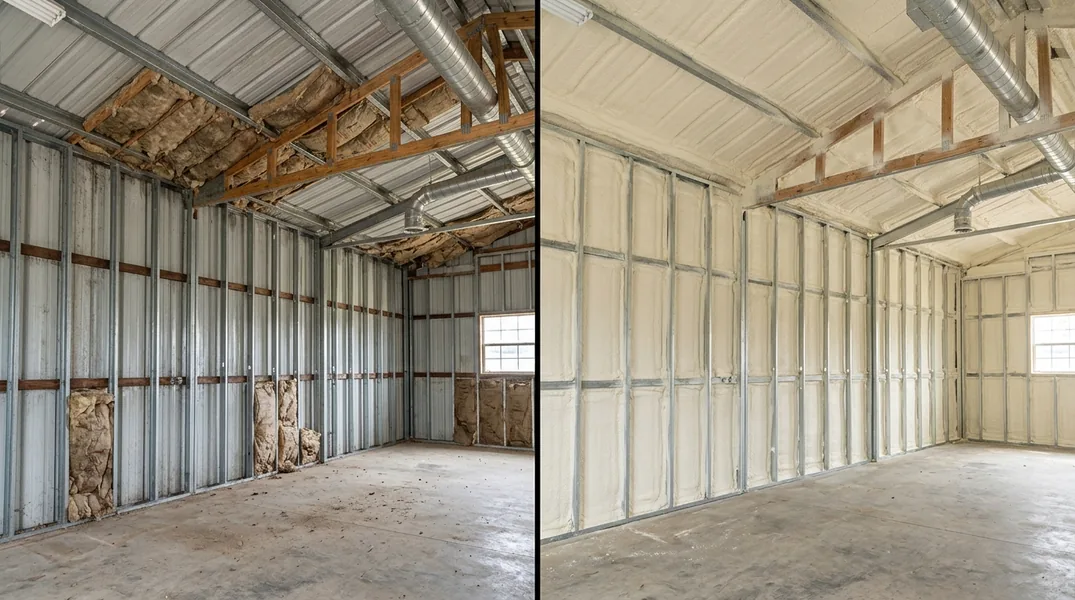
The Slab-on-Grade Challenge in Gregg County Ranch Homes
If you own a ranch-style home in Gregg County built on a concrete slab foundation, you're dealing with a thermal weak spot that many homeowners don't fully appreciate. Slab-on-grade construction, common in Longview and surrounding areas, places the living space directly on concrete with minimal air space underneath. This design choice made sense decades ago for cost and construction speed, but it creates a significant energy challenge: heat flows directly into and out of your home through that concrete slab and the perimeter edges.
Unlike homes with basements or crawl spaces that offer some thermal buffering, slab-on-grade construction means your attic becomes even more critical for temperature control. When summer heat beats down on your roof and winter cold radiates from a clear sky, your attic insulation is your primary defense. The problem is that many older ranch homes in the area were insulated with materials that have settled, degraded, or simply weren't adequate to begin with. Without proper attic insulation, your air conditioning and heating systems work overtime, driving up energy bills and reducing comfort throughout the year.
Spray Foam vs Blown-In Insulation: Why the Difference Matters
When evaluating Attic Spray Foam Insulation against blown-in insulation, the performance gap becomes obvious when you understand how each material works. Blown-in insulation, typically made from fiberglass, cellulose, or mineral wool, relies on air pockets trapped within loose fibers to slow heat transfer. While blown-in insulation is less expensive upfront and easier to install in many situations, it has inherent limitations. Over time, blown-in materials settle and compress, reducing their R-value. Air can flow around and through the material, especially in attics where air leaks are common. In a slab-on-grade home where every degree matters, these shortcomings add up to measurable energy waste.
Spray foam insulation works differently and more effectively. When applied, liquid foam expands to fill every cavity, crack, and void in your attic. It hardens into a solid, continuous barrier that seals air leaks while providing insulation. Unlike blown-in materials, spray foam doesn't settle or compress over time. It maintains its R-value for decades. More importantly, spray foam acts as both an insulator and an air barrier, addressing two critical energy problems at once. For slab-on-grade homes in Longview, this dual benefit translates into lower energy bills, more consistent indoor temperatures, and better protection against moisture and pests.
Spray Foam vs Fiberglass: Performance and Durability
Fiberglass insulation has been the industry standard for decades, and for good reason: it's affordable and relatively easy to install. However, when you compare spray foam vs fiberglass in a demanding climate like East Texas, the performance differences are substantial. Fiberglass batts and blankets are designed to fit between standard framing cavities. They work reasonably well in those spaces, but they leave gaps around pipes, wires, and irregular areas. Air can leak around the edges of batts, reducing their effective R-value. Fiberglass also absorbs moisture, which can compromise its insulating properties and create conditions favorable for mold growth. In an attic where temperature swings are extreme, moisture management is crucial.
Spray foam, whether Closed Cell Spray Foam Insulation or Open Cell Spray Foam Insulation, eliminates these problems. Closed-cell foam is particularly valuable in attics because it's moisture-resistant, provides superior air sealing, and delivers a higher R-value per inch. Open-cell foam is slightly less dense and more affordable while still providing excellent insulation and air sealing. Both types expand and cure into a permanent barrier that won't settle, degrade, or allow air infiltration. For slab-on-grade homes where heat loss is already a concern, the durability and performance of spray foam represent a genuine long-term investment.
Spray Foam vs Cellulose: Why Cellulose Falls Short
Cellulose insulation, made from recycled paper, appeals to eco-conscious homeowners and offers a lower initial cost than spray foam. However, spray foam vs cellulose reveals critical weaknesses in the cellulose approach, especially in attic applications. Cellulose is treated with fire retardants and pest deterrents, but these treatments degrade over time. More problematically, cellulose is highly susceptible to moisture absorption. In an attic where humidity can fluctuate significantly with outdoor weather and seasonal changes, cellulose can absorb moisture, lose R-value, and eventually support mold growth. Cellulose also settles over time, sometimes dropping 20% or more in thickness within the first few years. This means the insulation value you pay for today won't be the insulation value you have in five years.
Spray foam avoids these pitfalls entirely. It doesn't absorb moisture, doesn't settle, and doesn't degrade with age. The air-sealing properties of spray foam also prevent the moisture problems that plague cellulose and other fibrous insulations. In the context of a slab-on-grade home where thermal performance is critical, spray foam's resistance to settling and moisture damage makes it the smarter long-term choice. While the upfront cost is higher, the performance retention over 20, 30, or 40 years makes spray foam more economical when you factor in energy savings and the cost of replacing degraded insulation.
Best Insulation for Attic in East Texas: Why Spray Foam Wins
When homeowners ask what the best insulation for attic spaces is, the answer depends on priorities. If lowest upfront cost is the goal, blown-in or fiberglass might seem attractive. But if the goal is maximum energy efficiency, long-term durability, and true performance in East Texas's hot, humid climate, spray foam is the clear winner. The region's temperature extremes, from scorching summers to occasional cold snaps, put stress on insulation systems. Spray foam's combination of high R-value, permanent air sealing, moisture resistance, and durability makes it ideal for these conditions. For slab-on-grade homes, where the foundation itself conducts heat and cold, the superior performance of spray foam helps offset the thermal disadvantage of the building design.
The best insulation for your attic also depends on your home's specific needs. Longview Spray Foam Insulation can evaluate your attic, identify air leaks and thermal weak spots, and recommend whether Closed Cell Spray Foam Insulation or open-cell foam is the right choice for your situation. Some attics benefit from a hybrid approach, combining spray foam in critical areas with other materials where appropriate. The key is having a professional assessment rather than making assumptions based on what your neighbor did or what you read online. Every home is different, and slab-on-grade ranch homes present unique challenges that deserve expert attention.
Getting Started with Attic Spray Foam Insulation Near Me
If you're ready to improve your home's energy efficiency and comfort, the first step is a professional evaluation. Longview Spray Foam Insulation serves homeowners throughout the area with expert assessment, honest advice, and quality installation. Our team understands the specific challenges of slab-on-grade homes and the East Texas climate. We'll inspect your attic, identify where heat is escaping, and explain your options in plain language. Whether your attic needs spray foam, or whether a combination approach makes sense, we'll help you make an informed decision based on your home's needs and your budget.
Contact Longview Spray Foam Insulation today for a free estimate. You can reach us at (903) 500-7841 or visit our website at https://longview-tx-spray-foam.com. We'll discuss your concerns, answer your questions, and provide a detailed quote with no obligation. Many homeowners are surprised by how affordable quality spray foam insulation is when you consider the energy savings and comfort improvements. Don't let heat escape through your attic any longer. Let's make your slab-on-grade home more efficient, comfortable, and affordable to operate.
Looking for a professional spray foam insulation contractor in Longview? Longview Spray Foam Insulation responds fast for all your spray foam insulation needs.
Get a Free Quote