Why Asking the Right Questions Matters
Choosing an insulation contractor is one of the most important decisions you'll make for your home's comfort and energy efficiency. Whether you're looking to upgrade your Attic Spray Foam Insulation or improve your home's thermal performance, the contractor you hire will directly impact your results, costs, and long-term satisfaction.
Many homeowners in Longview make the mistake of simply selecting the contractor with the lowest bid or the fastest response time. However, spray foam insulation is a specialized trade that requires expertise, quality materials, and proper installation techniques. Asking targeted questions upfront helps you separate experienced professionals from those who may cut corners or use inferior products. This article walks you through the essential questions every homeowner should ask before signing a contract.
Understanding Open Cell vs. Closed Cell Spray Foam
Before you even contact a contractor, it's crucial to understand the two main types of spray foam insulation available. Open Cell Spray Foam Insulation and Closed Cell Spray Foam Insulation are fundamentally different products with distinct advantages and limitations. When you meet with your contractor, you should ask which type they recommend for your specific project and why.
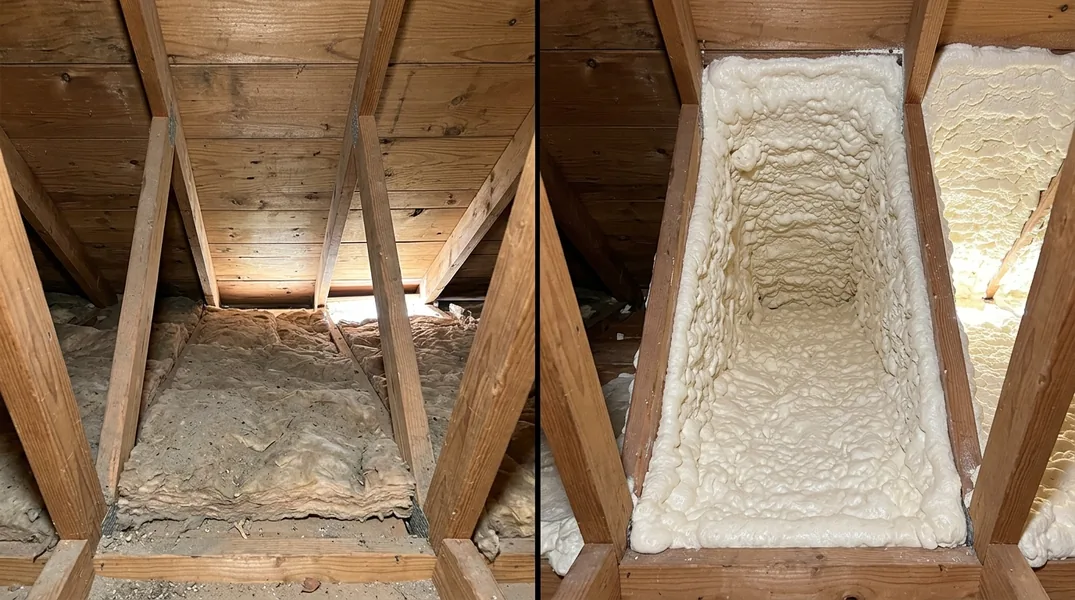
Open cell spray foam is lighter, more flexible, and typically more affordable. It expands significantly after application and offers excellent sound dampening properties. However, open cell foam is more permeable to moisture and generally provides a lower R-value per inch. Closed cell spray foam, on the other hand, is denser, more rigid, and provides superior moisture resistance and a higher R-value per inch of thickness. The choice between these two depends on your climate, budget, and specific insulation goals. A knowledgeable contractor should be able to explain how each option applies to your attic or walls and help you understand the trade-offs involved.
What Should You Ask About Spray Foam R-Value?
One of the most important questions to ask any insulation contractor is about spray foam R-value and how it applies to your home. R-value measures the insulation's resistance to heat flow, and higher R-values indicate better insulation performance. However, understanding R-value isn't as simple as picking the highest number available. Your contractor should explain the recommended R-value for your attic based on your location, your current insulation levels, and your energy goals.
The closed cell spray foam R value typically ranges from 6 to 7 per inch, while open cell foam offers roughly 3.5 to 3.6 per inch. This means closed cell foam provides significantly better insulation in less thickness. However, this doesn't automatically make it the right choice for every situation. Ask your contractor to calculate the total R-value needed for your attic based on local building codes and climate considerations. They should also explain whether you need additional insulation layers or if spray foam alone will meet your requirements. Don't accept vague answers like 'more is always better.' A professional will provide specific recommendations backed by building science and local standards.
Ask About Contractor Credentials and Experience
Before hiring any insulation contractor in Longview, verify their credentials and ask about their experience with spray foam projects. Request proof of licensing, insurance, and any relevant certifications from spray foam manufacturers. Reputable contractors should be happy to provide these documents without hesitation. Ask how long they've been in business, how many spray foam projects they've completed, and whether they can provide references from recent customers.
It's also worth asking whether the contractor uses EPA-compliant materials and follows proper safety protocols during installation. Spray foam application involves specialized equipment and chemicals that must be handled correctly to ensure both worker safety and a quality finished product. Ask about their training and whether their technicians are certified by the spray foam manufacturer. A contractor who invests in ongoing training and certification demonstrates a commitment to quality and professionalism. Don't hesitate to ask for multiple references and actually call them to discuss their experience with the contractor.
Understanding Pricing and Getting a Fair Estimate
Cost is naturally a major concern when planning any home improvement project. When discussing pricing with potential contractors, ask for a detailed written estimate that breaks down labor, materials, equipment, and any additional fees. Be wary of contractors who give you a price quote over the phone without visiting your home first. Every attic is different, and a professional estimate requires an on-site inspection to assess square footage, existing insulation, ventilation needs, and any special considerations.
Ask whether the estimate includes cleanup, disposal of old insulation if necessary, and any sealing or air-sealing work that may be needed before spray foam application. Understanding what's included helps you compare quotes accurately and avoid surprise charges later. Also ask about warranties on both materials and workmanship. Most quality spray foam products come with manufacturer warranties, but contractor warranties vary. A reputable company should stand behind their work with a reasonable warranty period. If you're considering Wall & Injection Foam Insulation or other specialized applications, make sure the estimate clearly addresses the scope of that work.
Questions About Installation Process and Timeline
Ask your contractor to walk you through the entire installation process step by step. What preparation work is required? Will they seal air leaks before applying foam? How long will the project take? Will your home be accessible during installation, or do you need to make alternative arrangements? These practical questions help you prepare mentally and logistically for the work ahead.
A professional contractor should also discuss ventilation considerations, especially for attic projects. Improper ventilation can lead to moisture problems over time. Ask whether they recommend or install ventilation baffles, and why. Find out about post-installation curing time and when you can safely access the attic again. Additionally, ask if they'll provide documentation of the work completed, including photos and details about the foam type, thickness, and coverage area. This documentation is valuable for future reference and can be important for home resale or insurance purposes. When you're ready to move forward, contact Longview Spray Foam Insulation at (903) 500-7841 to schedule your free estimate and discuss your specific needs with an experienced professional.
Looking for a professional spray foam insulation contractor in Longview? Longview Spray Foam Insulation responds fast for all your spray foam insulation needs.
Get a Free Quote